Advice, perspectives and stories from the people protecting businesses and communities across South Wales.
From the first risk assessment to the people on the ground, discover what makes a security plan work.
24 September 2026 · 6 min read

Advice, perspectives and stories from the people protecting businesses and communities across South Wales.
From the first risk assessment to the people on the ground, discover what makes a security plan work.
24 September 2026 · 6 min read
From the first risk assessment to the people on the ground, discover what makes a security plan work.

An employee confides in you that they overheard a co-worker talking about wanting to harm another colleague. What should you do? A client threatens a staff member publicly, shouting “If you do that, I’ll kill you!” How should you respond? If you ever found yourself in work and a terrorist attack took place, how would you react and manage the situation?
a
Many of us wouldn’t know how we would respond in these situations, which means that we would REACT instead of ACT. This isn’t always bad, as if these actions were effective, they could have a profound impact on the outcome of a threatening situation. However, reacting to a situation is often harmful and the wrong responses could escalate it.
a
To ensure that staff are prepared for any potential threat and that they respond effectively, it is imperative that the workplace has policies and procedures that ensure this. In fact, organisations are coming under pressure to assess and respond to threats of workplace violence, so preparation and management of these cases has never been more necessary.
a
From threats of workplace violence, homicidal ideations and stalking to other situations of targeted violence such as terrorism, having threat management training at hand will ensure you react appropriately. To help with basic threat responses, we’ve put together essential tips that you should start with.
Risk Factors
Workplace violence is more often than not carried out by a disgruntled employee, therefore it is important that employers and staff alike are alert to situations and resulting behaviour that could lead to violence. Situations to be aware of include:
- Personality Conflicts
- Mishandled Termination
- A Known Grudge
- A Promotion in the Company
- Drug or Alcohol Use
- Bringing Weapons into Work
What to Look out For
As well as the obvious potential links to violence, such as an employee being ‘passed over’ for a promotion, risks can also stem from personal factors. These can be more difficult to handle however, as you may not be aware of these personal issues, so you need to know what behavioural changes to look out for. Violence can manifest in many other ways, but these are the main changes that you can keep an eye on:
- Noticeable Changes in Behaviour – tense muscles, bulging or darting eye movements, staring or avoiding eye contact, defensive body posture, twitching muscles, disheveled appearance
- Extreme Disorganisation
- Hypersensitivity to Criticism
- Increasing Belligerence or Outbursts of Anger
- Apparent Obsession with a Supervisor or Coworker
- Passing Threats or Homicidal/suicidal Comments
- Specific Threats
- Interest in Recently Publicised Violent Events or Violence in General
- Recent Acquisition and/or Fascination with Weapons
- People Who Look Like They are Scouting the Area
- Unsupervised Packages
The Best Action to Take
Often, the best action to take in these situations is to be vigilant and prevent them all together. However, that isn’t always possible. When a violent situation does occur, employees should be prepared to take action. In any situation, the most important thing is to remain calm and carry out one of the following steps:
- Evacuate the Area Immediately – only take this step if you know this option is 100% safe!
- Help Others Escape if Possible – again only do this if you’re sure it is safe and do not attempt to move any injured persons
- Lock Down the Area – this will prevent others from getting involved in this potentially harmful situation
- Find a Safe Place to Hide – if you are unable to evacuate, you need to find an appropriate place to hide and ring for help
- Contact the Emergency Services
- Turn Off Sources of Noise – this includes everything from televisions and radios to mobiles
- Attempt to Disrupt or Incapacitate the Violent Person – this should be your absolute last resort and should only be necessary if your life or someone else’s life is in imminent danger. Security workers should be trained in self-defense and should know how to “take-down” a person if necessary, so it would be rare that you would be in this position.
a
The most important action to take initially is to handle every potential threat seriously. If staff are naturally vigilant and learn the importance of threat preparedness and management, only then will the workplace be safe.
a
When workplace violence or a terrorist attack is reported, it is always unexpected. Many times, people even comment that they’d never have expected that person to react in that way. This might be the case some of the time, but by simply observing people, being cautious and aware of your surroundings, we could potentially recognise the beginnings of a situation and prevent it.
a
What we can do for you:
At RGM, our goal is to prevent threat situations from happening all together to ensure the safety of all staff on site. If you’re interested in knowing more about threat awareness training for your staff, we are offering training courses developed by Counter Terrorism and Threat Specialists. If you need training or just advice, please don’t hesitate to contact us.
a
Need more information about threat awareness? Check out our other articles

With the recent bout of terrorist attacks, there has never been a more important time to raise awareness of being threat aware. Although this is important for the public as a whole, it is absolutely vital that we do this in the workplace too.
a
The workplace tends to be one of the primary targets of terrorism, much like transport, as it leads to disruption on a bigger scale, which ultimately has a negative impact on the country’s economy infrastructure. Therefore, companies really should consider and check their security and emergency response procedures regularly to ensure that they can handle an attack.
a
As well as a company’s security, there also needs to be training for the staff. Employees are valuable assets in any form of emergency drill, so it is vital that they are informed and trained, and prepared for terrorism. The workplace is a target due to the perceived lack of employer emphasis on this, so preparedness and awareness has the potential to be an effective prevention technique.
Induction Training in the Modern Workplace
While it is important to refrain from scaremongering, it is crucial for terrorism awareness training to become part of the induction training for all new staff. All new employees go through a typical induction, where they receive information on:
- The Organisation’s Policies & Procedures
- Safety & Emergency Procedures
This together with a guided tour of the workplace and introduction’s to staff ensures that the employee starts off with the right information, ready to work as productively as possible.
In today’s society, employees also need to be prepared for ALL possible emergencies, including terrorism, therefore it should be included in the emergency procedures training. Obviously, some places will be more at risk than others, such as businesses in airports and shopping centres, but even lower risk places should have a basic training in place. Through response training, with a particular focus on awareness and preparedness, only then can you potentially minimise the effects of terrorism.
What Terrorism Awareness Training Should Cover
As part of a company’s induction training, or as an annual training course, all employees need to be trained in these areas to be fully prepared if a terrorist attack should occur.
1. What is Terrorism?
- Definition of terrorism and its impact on the workplace
- The psychology of terrorism – including tactics, effects, common targets and how to minimise fear and stress
- How to identify and prevent a potential terrorist attack
2. Cyber-terrorism & Data Protection
- Definition of cyber-terrorism and the importance of understanding this growing threat
- Train staff to be skeptical of unknown emails and what preventive measures can be taken to minimise computer access elsewhere
- The ways to protect, store and manage sensitive data
3. Security of the Workplace Facility
- Identify and discuss emergency exits, restricted areas and access routes
- Train staff in the initiation of evacuation procedures
- Train staff in all security measures, from cameras and alarms to the importance of sign-in sheets and keeping I.D. badges safe
- Train staff in what ‘suspicious activity’ is, what to look out for and what to do about it
4. Security Risk Areas
- Delivery methods – how letters and packages can be targeted, how they should be managed safely, how to identify a suspicious package and what procedure to follow
- Cyber-terrorism
- Travel safety
- Suspicious bags or packages left unattended/bomb threats – actions to take, questions to ask, who to inform of the threat
5. Response Training
- Essential workplace skills – patience, awareness, preparedness, staying alert and reducing panic in emergency situations
- Training – practicing searching for warning signs and the appropriate response
- Contacting the appropriate authorities
With this training included in all companies and refreshed on a regular basis, employers and employees will be more proactive in keeping each other and the public safe in the potential event of an attack.
a
Being prepared for a terrorist attack is primarily down to vigilance, from being aware of the warning signs to knowing how to respond to them. Therefore, by including this simple training with all other safety and emergency procedures, employees will be empowered in these situations and may even help to save lives. With something so simple that can make a massive impact, isn’t it worthwhile making sure your staff are threat aware?
a
What we can do for you:
If you’re interested in knowing more about threat awareness training for your staff, RGM are offering training courses developed by Counter Terrorism and Threat Specialists. If you need training or just advice, please don’t hesitate to contact us.
a
Need more information about terrorism awareness? Check out our other articles

With the recent terrorist attack on London and all the other crazy events that have taken place over the last year, there is no doubt that your children might be asking “Why do people want to hurt us?” Now, although it might be tempting to just hug them tightly and brush off the subject to maintain their ignorance, events like these can have a very big impact on our children, so it is best to try and talk to them about it.
As we are still looking for ways to make sense of these events to ourselves, it might seem an impossible task to explain them to an innocent child. However, while no parent is naturally prepared to answer this heartbreaking question, it is really crucial that we try and do our best to.
h
Why We Should Explain the Attacks
As a parent, we want to shield our children from everything bad in the world, not only to protect them but to also keep them blissfully young for as long as possible. While this is perfectly fine and we all do it, like most things, we have to eventually let in some of the real world to prepare our children for what is to come.
So why should we be trying to talk to our children about the latest attacks?
First things first, with the news being shown on every TV and newspaper, wouldn’t you rather be the one who tells your child about it rather than them hearing about it from someone else? With the topic being discussed openly everywhere, it is better for our children to have the conversation with family where they can ask questions and be reassured of their safety. The last thing we need is for an unnecessary fear to spread because our children don’t understand what has gone on.
Secondly, with terrorist reports becoming a part of everyday life, this has now unfortunately become another lesson that we have to teach our children. After all, don’t we still want them to explore everything the world has to offer? While we would love to stop it all and keep them safe, just like we teach them right from wrong, the best thing we can do as a parent is to be honest and explain these events in a meaningful way. That is all we can do to show them that there is mostly good in the world and send them on their way to explore it safely and with a balanced perspective.
h
h
How to Explain the Attacks
Whether your child is asking you the dreaded questions or not, eventually the time will come when you have to broach the subject of terrorism with your children. The important thing is to stay calm, talk to them as adults and make sure you listen to everything they have to say until they are satisfied to move on. To help you with the conversation, here are some tips to bear in mind.
- Find Out What They Know – By simply asking your children about their day and if they’ve heard anything interesting, you’re allowing them to steer the discussion. You can then see if you need to expand on or explain anything to them, and what concerns you may need to focus on.
- Talk About it More Than Once – It’s important to keep the conversation open and to let your children know that they can come to you any time to talk about difficult topics. Once you’ve talked about certain events, don’t consider this an end of discussion. Bring it up again some time later, even if you’re just asking if they have anymore questions. Your children need to know that they have someone to talk to as it makes the topic less scary and prevents them getting the wrong information from their peers.
- Keep it Simple – Depending on the age of your children, you might need to keep it as simple as “some bad people hurt some people because they were angry.” Regardless of the age, it is important to keep it as basic as possible and to turn each conversation into a teaching lesson of why this isn’t okay.
- Bring it to Their Level – Children are very egocentric and want to know that they are going to be okay as well as everyone else around them. To relate a terrorist even to them, you can try and discuss similar experiences that your child will understand. For example, if two friends want a toy at the same time but only one of them can have it. Children will understand the concepts of fighting and sharing, so you need to explain it briefly in ways they will understand, and then assure them that no one is trying to hurt them or us specifically.
- Encourage Them to Express How They Feel – By helping your children name their feelings and understand why they feel a certain way, this teaches them coping strategies that will shape their behaviour in adulthood.
- Reassure Them – You can acknowledge that what has happened is scary and even that we don’t have the answers or know why this has happened. However, it is very important to follow this up with the explanation that there are many more good people in the world and many of them are working very hard to keep our country safe. Reassuring your child with your words and behaviour will help them to feel safe and give them a better perspective of the world.
- Model Good Coping Skills – It is crucial that we don’t pass our own fears onto our children, so while what has happened is scary, they need to see that despite this, we are okay. Our children watch and learn from us, so if you are scared yourself, explain to them that you are but you’re also comforted by the fact that these occurrences are rare and people are working hard to prevent it from happening again. Confidence is key, so don’t lie about your true feelings, use them to reassure them that they are safe.
- Empower Them – Terrorist attacks are frightening because we feel powerless to do anything about them, so help your children focus on areas of their life that they do have control. Something as simple as enforcing the importance of wearing a seatbelt or a cycling helmet, or even discussing what you would do in an emergency, can really help children to establish a positive mindset of what they can do rather than what they can’t.
h
Important things to remember:
- Be honest and open
- Try to encourage questions
- Accept that you can only do your best to make your children ‘feel better.’ It will take time for them to make sense of everything.
- Don’t be afraid to show your children how you are feeling
- Be willing to talk about difficult topics
- Use these conversations as opportunities to teach and reassure them
- Try to moderate what news and social media is acceptable for your child to see and hear. Be aware that a lot of news announcements are very adult and could frighten some children if they don’t understand it. Use this as an opportunity to explain the role of the media.
- Hysteria is what the terrorists want, so anything we can do to prevent this (e.g focus on the good guys and teach our children about empathy, determination and vigilance), can only be a positive thing
h
“We need to understand that there is such a low chance of dying from a terrorist attack, and it’s important that we instill this in our children to give them a balanced view of the world.”
h
Although you still may want to wrap up your children in a duvet and cuddle them forever, hopefully you will feel more prepared to have these conversations when the time is right. If you’re unsure about what the ‘right time’ is, find out if your children know anything or have any questions and go from there.
Events like these can have really damaging and lasting effects on our children if we don’t address them, so even if you are afraid yourself, it’s important that we prepare our children and teach them not to be. Only then will we have peace of mind when it is time for them to explore the world on their own, so it is our duty to give them the best start possible.
h
Resources: Additional Help and Advice
https://www.telegraph.co.uk/women/family/do-explain-westminster-terror-attack-children/

By now, we have all heard about the terrorist attack on London, where a car mounted the pavement on Westminster Bridge, mowing down dozens of pedestrians on its way to an attempted attack near the Houses of Parliament. Whenever something awful like this occurs, the whole nation feels devastated. Devastated for the loss of the victims, devastated that someone could do this and devastated that something like this could happen.
Empathy and grieving is natural in an event like this, which often promotes community and solidarity. However, after such events happen, many people are left afraid; scared to go about their daily lives, scared to travel and worst of all, scared that something like this happening again is out of their control.
Being afraid after a terrorist attack is perfectly normal, but lasting fear that starts to effect your life is not okay. I’m sure you have heard on the radio about how “if you’re afraid, then the terrorists have won, so don’t be.” Although this is very true, it’s easier said than done telling us not to be afraid rather than giving us reasons not to be.
Fear often comes down to two major factors:
- people don’t feel in control of something or
- people don’t understand something.
So, surely the way for us all to overcome this fear is to understand it?

Why People are Afraid
The actual chances of being killed in a terrorist attack are much less than we would think. Research shows that in the UK, the approximate amount of people killed every year from certain events are as below:
- 5 people by lightning
- 20 people by falling out of bed
- 25 people by drowning in the bath
- 200 people by food poisoning
- 300 people by workplace accidents
- 1,500 people from road accidents
So when an attack such as the one on London has currently claimed 4 lives, why are we so much more afraid of these events than ones in our day-to-day lives?
The answer is actually quite simple: fear is irrational. Most of us can understand the chances of certain risks, but our brains are wired by evolution to make fast judgements in certain situations. We all know the phrase “fight or flight,” in moments where our adrenaline is pumping and forces us to act quickly, and it’s the same thing here. Our emotions play a powerful role in decision-making, which often makes us make decisions that are not backed up by logical reasoning.

As well as our emotions, our memory is also a major factor in fear. One-off catastrophes like plane crashes and terrorist attacks tend to strengthen our memory and embed in our minds.This doesn’t happen in daily events such as a horrible car crash on the motorway, as these happen often enough that they have become a ‘normal occurrence’ and are therefore not sensationalised by the media.
While fear does make sense, it does cause us to overestimate the odds of dreadful but infrequent events and underestimate how risky daily events are.
So how do we become less afraid of terrorist attacks?
How to Be More Aware and Prepared
The majority of us probably don’t think about what we would do if we were ever in a terrorist situation, but thinking about it and preparing for the possibility is the best way to put your mind at ease and protect yourself.
-
Practice Good Situational Awareness
Situational awareness is not a skill, but rather a habit, and many naturally cautious people will already have this ability. Practice being aware of your surroundings, if you’re in a public building or on transport, make sure you know where the exits are. Look out for suspicious behaviour such as people trying to avoid security cameras or lurking around certain areas for too long. Also keep an eye out for abandoned vehicles or packages.
-
If You See Something, Say Something
Being aware is the best thing you can do for yourself, but often many of us don’t speak up when we observe something out of the ordinary. In situations like this, saying something is vital as recognising a problem before it develops can prevent an event all together. Experts have said that under reaction to suspicious behaviour is a far bigger problem than over reaction so practice the mantra ‘better safe than sorry.’
Who to call: The Police (999), the Police Anti-Terrorism Hotline (0800 789 321) or the British Transport Police (0800 40 50 40).

How to React in the Event
In the unlikely event of something happening, it’s better to act rather than react. By being vigilant beforehand and aware of your surroundings, you should be in a more clear-headed position to make logical decisions rather than reacting how the terrorists have predicted.
To be prepared of what to do in such an event, British counter-terror officials have issued the following advice:
- RUN – Only do this if you’re 100% sure that escaping is the safest option. Often running can lead to more danger in the case of shootings for example, so only ever run if you know that a route is safe.
- HIDE – If you know you can’t run, then hiding and taking cover is the safest option. The important thing is to stay silent and silence your phone. In the case of a shopping centre, head to the back of a shop or changing room where you can take cover and lock yourself in. If you’re in a cafe, take cover behind the counter or in a staff room that can be locked.
- TELL – When you can, call the police (999) or police anti-terrorism hotline (0800 789 321). They will need to know the location of the suspects, their description and how many there are. If you have more information on exits and casualties etc then the better.
- DON’T TEND TO CASUALTIES UNLESS YOU KNOW IT IS SAFE TO DO SO – Many of us have the natural tendency to help others. This is an amazing feature of humanity, but in situations like this, it is crucial that we keep our selves safe first and tend to others only when it is safe to do so. Even the ambulance service won’t tend to victims until they get the all-clear from the police, so follow the same example and resist helping until you can.

How to Help: there is an app called CitizenAid that will help anyone with medical emergencies from someone collapsing from a heart attack to someone being injured from a bomb blast or gunshot wound. This guide will help you act effectively and to provide the necessary care before medical professionals arrive.
Hopefully, the majority of us will never need to know the advice given above, but being aware and knowing what to do in these situations could help prevent them or save lives.
The important thing to take from this advice is not to be afraid. Obviously, people are advised not to take any unnecessary risks, but going about your day as normal is highly recommended just be more vigilant with your surroundings. Most of us are guilty of assuming there is a reasonable explanation for everything, even if something may look suspicious. All we can do is start to tell the police if we do think something is suspicious and let them decide whether it is a true threat or not.
With the likelihood of such an event being slimmer than a lot of other things, the best thing we can do for ourselves is to educate ourselves, be prepared and to not fall prey to the hysteria that the media often inflicts. After all, as the message in times like this has always been, let us “keep calm and carry on!”

All small businesses will have some level of security in place, whether just basic CCTV systems and audio alarms or everything up to maximum perimeter security. Regardless of the amount of security you have, it is really important to check if you have sufficient measures in place and their effectiveness regularly. There is not a more important time to do this check than now, in the New Year.
Although after Christmas and at the start of the New Year, businesses may be low on cash to spare, these are also the darkest months of the year. With many dark nights comes an increase in theft. Therefore, it is crucial that you take the time to check your security and spend what is necessary if these are no longer effective.
The most cost-effective way to carry out this check is to do your own complete security risk assessment, that way it costs you nothing, gives you peace of mind and alerts you to anything that needs attention in these high-risk months. To do your own assessment, you can download our general security checklist here as well as asking yourself these questions below.
It might be that you have all the security you need, but you have a lot to lose if you don’t at least check. Let’s just say that theft will cause a bigger dent in your limited budget than checking and updating your security will!

Security Risk Assessment
Assessments should look at all threats to a business, with the most common being external theft and criminal damage, as well as employee theft. Obviously, it depends on the nature of your business, which threats apply to you, but it is worth thinking about all the possibilities.
Often the easiest and recommended model to us is the ABC model. This will help you to identify your vulnerabilities and the potential impact of exploitation.
Area
It’s always really useful to check what businesses in your area are doing. It can give you a good indication of the safety of the area and what you might need to be doing.

To make sure you have efficient security, take a look at your surroundings and consider these questions:
- Are other businesses in the area more secure, making your site an easier target?
- Is your business in a deprived residential area, which may mean more opportunist thieves?
- What is the accessibility of the area? – Easy access may be beneficial for deliveries, but they also provide fast escape routes so may entice thieves.
Boundaries
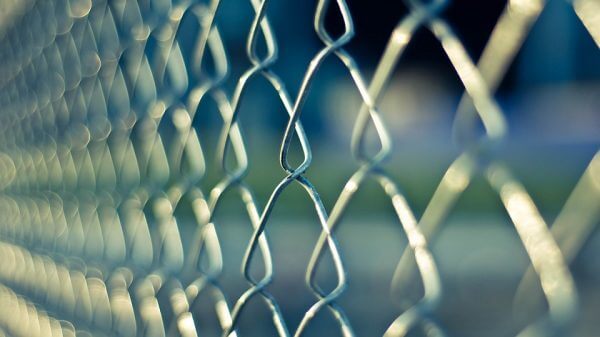
One of the most important security measures to consider is your perimeter, this is the first line of defence against trespassers or intruders so it needs to both deter and defend. Examine the physical perimeter of the site and take these into consideration:
Deter
- Do you have security signs to deter thieves? – Signs such as “CCTV in Operation” and “Premises secured by RGM Security” are really effective in putting opportunists off trying anything. The great thing is, is that they don’t even have to be real!
- Do you need deterrent fencing? – This includes thick bramble bushes, razor wire, electric fences, rotating spikes, anti-climb paint etc.
- Do you need an on-site security presence (manned guarding)?

Defend
- Do you completely control who can walk or drive onto your property?
- Is your fencing effective? – Take into account surrounding land, the strength of the fence and the height of the fence at the shortest point.
- Is there anything on the exterior side of the perimeter that could hinder or assist a would-be intruder? – This includes adjoining land that belongs to another premise, overhanging tree branches, decorative brickwork, and anything fastened to the wall/fence that could be used as a foothold.
- Are there any unprotected dips in the ground which could allow access under the fence?
- Do you have any security monitoring devices? – This includes fence-mounted sensors, underground movement sensors, infra-red beams, microwave beams, passive infra-red sensors etc.
- Are all of your windows and doors secure? – This includes the use of fire exits.
- Do you have sufficient internal security measures? – This includes intruder alarms, safes, CCTV etc.
- Do you have security measures in place if keys or access cards are lost? Would you benefit from access control systems?

Contents
When assessing equipment, you need to consider two things: ‘how much would it cost to replace this item if it was stolen’ and ‘how much would it cost and impact business operations if it was stolen.’ The answers to these questions will then determine how secure they will need to be, as well as insurance and other factors.
The second thing you’ll need to consider is the value of these items to thieves and if these products can be easily sold on. If you have a lot of contents that are easily sold and very valuable, this could lead to recurrent break-ins.
To fully assess your contents, it is very worthwhile to talk to employees and contractors on site. They can often make you aware of unknown problems such as weak points in the perimeter and the causes of previous intrusions/thefts. Assessing deliveries and stock levels can also make you aware of ‘informed criminals.’ In these situations, discussions should be carried out with caution.
Related: The Best 6 Security Hacks for Every Business

Having carried out the security risk assessment, you should now know whether your security protection is up to scratch. If not, decide what additional measures are desirable and analyse whether they will be cost-effective. Always try to re-revisit your assessment periodically, especially in the winter months and if anything changes that will increase the risk to your site.
If you want to talk about what security measures are best for your business, feel free to contact us at RGM Security.
01792 293 249
info@rgmsecurity.co.uk
Need more help with your security? Check out our other articles:

Whether you need a single static guard, a full mobile patrol schedule, or a bespoke security package across multiple sites, we're ready to talk it through. Get in touch today to discuss your security requirements.